
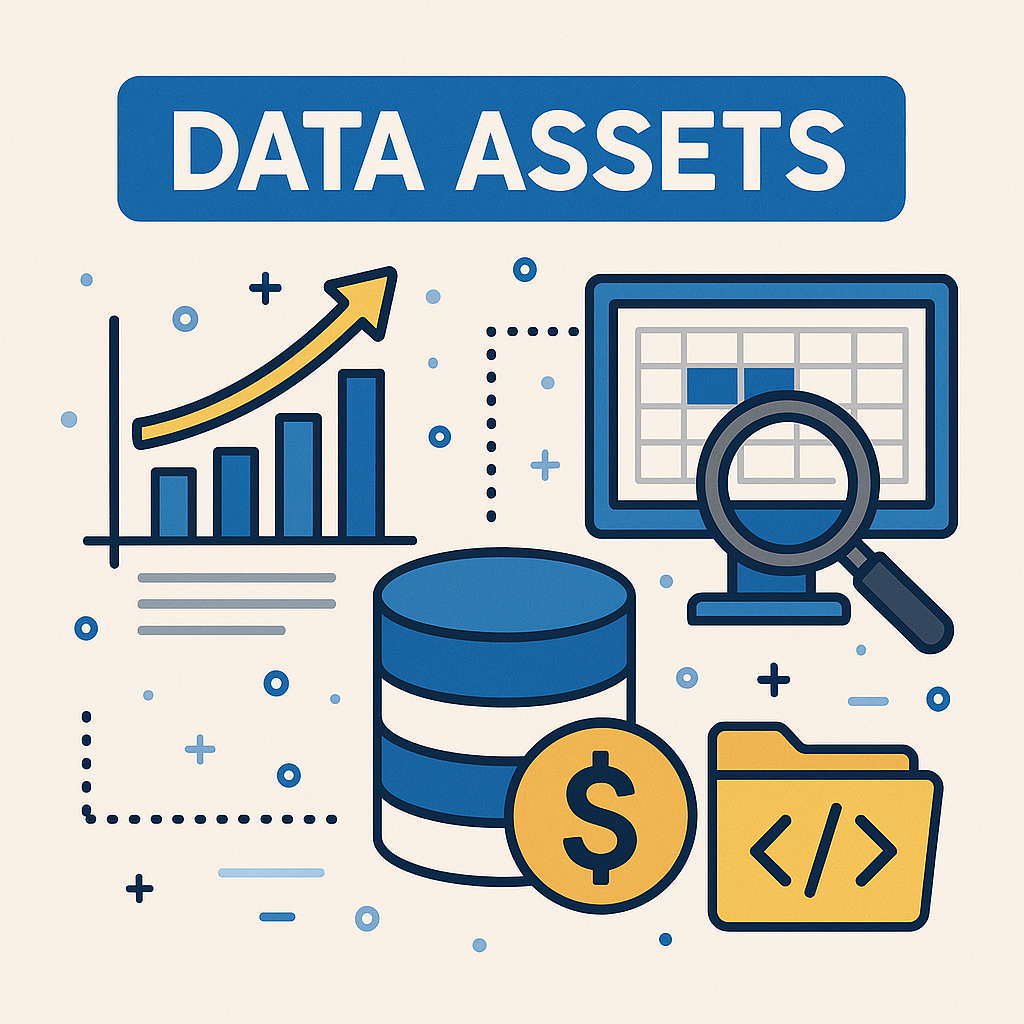
Data now sits at the centre of how governments, universities, and industries make decisions. Most organisations still treat it as a by-product. The Isle of Man is taking a different path. With the Data Asset Foundations (DAF) initiative, the island is introducing a legal and operational model that treats data as an asset with real value.
This matters for educators, researchers, and policymakers who depend on trusted, well-governed data to improve learning, drive research, and tackle global challenges.
A New Framework for Data Governance
The DAF model creates a licensed legal entity that can hold and manage datasets under the island’s Foundation Act. It gives organisations a clear structure for ownership, permissions, and compliance, supported by a statutory register and a defined governance charter.
This allows data to be:
- listed as an asset
- used as collateral
- shared responsibly
- combined across institutions
- monetised through partnerships
It also gives international bodies and research institutions a trusted place to store and use data without losing control of it.
For further reading, see the Digital Isle of Man announcement and the EDM Council’s work on global data standards.

Why It Matters for Education
Education and research depend on access to responsible, high-quality data.
The DAF initiative opens new opportunities for the sector:
Better collaboration across universities
A shared legal and governance framework makes it easier for institutions to pool anonymised data for research. This supports work in health, climate, social mobility, and educational outcomes.
New funding models
Institutions can treat datasets as assets that support grants, partnerships, or commercial licensing. This offers an alternative path for funding programmes and student support.
Improved data literacy
DAFs highlight why students must understand data governance, rights, and accountability. This aligns with the needs of today’s workforce and helps universities build stronger digital skills pathways.
Ethical and compliant data use
DAFs provide a transparent way to handle sensitive data. This protects contributors and strengthens public trust.
Global Impact and the Isle of Man’s Position
The Isle of Man is not adapting to an existing model, it is building one. The island’s partnership with the EDM Council means the framework draws on global standards and is positioned to influence international policy.
This approach will appeal to:
- education bodies that want secure cross-border research collaboration
- policymakers exploring new data governance structures
- investors looking for transparent data assets
- organisations exploring AI training datasets that require clear permissions
With global attention on responsible data use, the island is showing how smaller jurisdictions can lead in governance and digital trust.

What This Means for Education Leaders
Three areas matter most:
- Institutions must have clear control over the data they create.
- Collaboration requires trust, governance, and legal clarity, not only technology.
- Data can be an asset that supports both academic outcomes and financial resilience.
If used well, DAFs can help the education sector build stronger partnerships, create new research opportunities, and rethink how digital resources support long-term strategy.
Next Steps
If you work in education, research, or policy and want to explore how data governance can support your goals, speak with LIBT. We support leaders worldwide in building digital capability, data skills, and strategic thinking across the learning ecosystem.




Leave a Reply
You must be logged in to post a comment.