
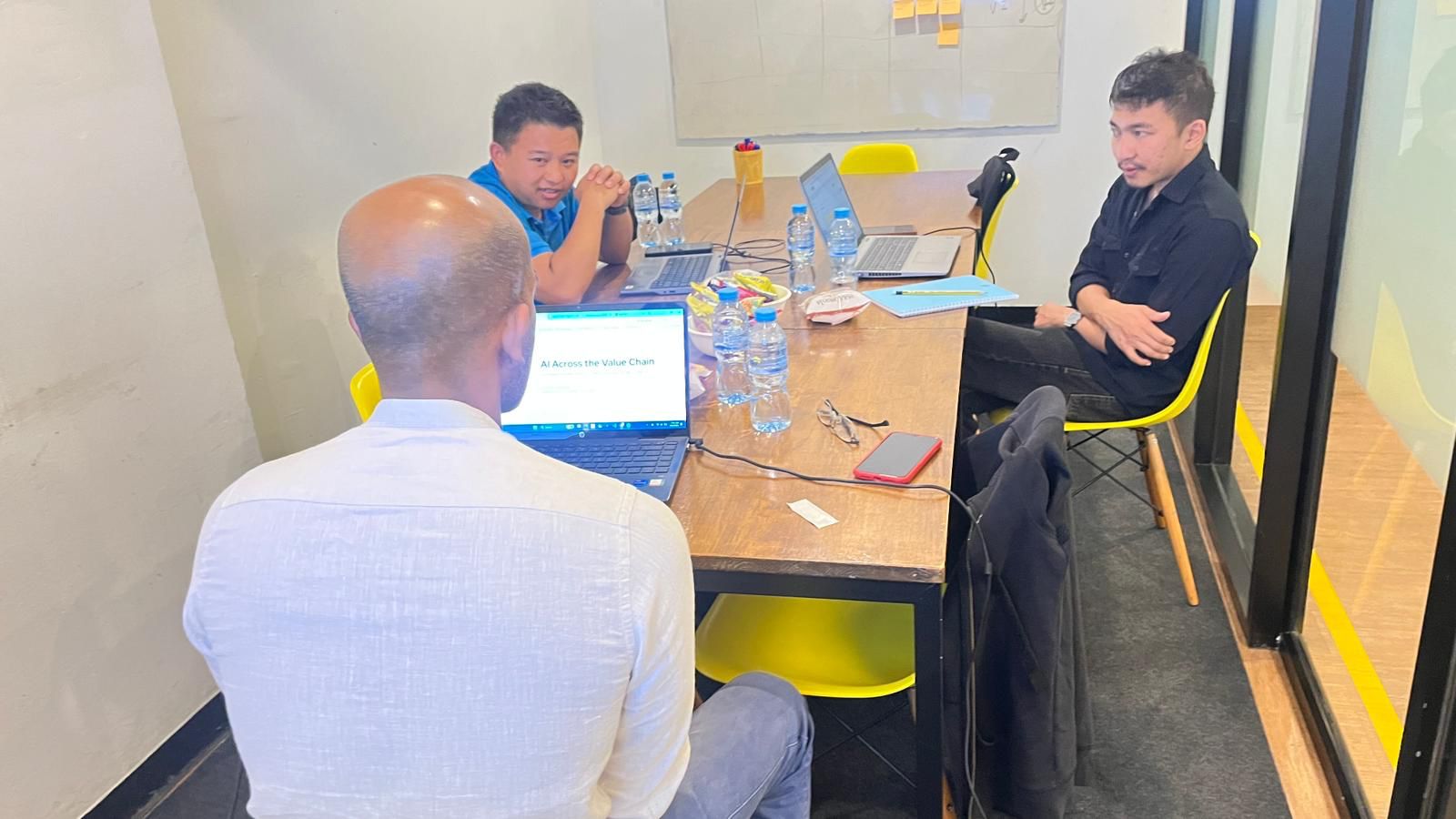

Agile project leadership training is critical for tech teams that need to deliver under pressure. LIBT recently delivered a ten‑day Project Leadership programme for Tashi InfoComm Private Limited from Bhutan. The training, held in Bangkok, was designed for tech teams that need to ship on time and at high quality.
What We Covered
- Stakeholder mapping: We drilled into identifying and prioritising stakeholders to ensure that everyone’s needs were addressed. Participants mapped their own projects to see where alignment was strong and where gaps existed. They learnt how to keep key voices engaged throughout a project.
- Client communications: Clear, value‑driven dialogue builds trust. The group practised framing updates in terms of outcomes rather than tasks. They used real examples from Tashi InfoComm projects to practise de‑escalating difficult conversations.
- Scrum roles and cadences: Understanding the roles of Product Owner, Scrum Master and team members is key to successful Agile delivery. We walked through the cadence of sprints, from planning sessions to retrospectives. By running mock stand‑ups and sprint reviews, attendees gained confidence in facilitating these meetings.
- Backlog planning: A healthy backlog keeps teams focused on value. Participants refined sample backlogs, prioritised features, and planned upcoming sprints. They discussed how to balance new feature work with technical debt.
- Agile estimation: Estimating effort helps to set realistic expectations. Using story points and planning poker, attendees improved their forecasting skills and developed a shared understanding of complexity. They practised breaking down epics into manageable user stories.
- Project management tools: We explored JIRA, Trello and Asana to manage tasks and track progress. Participants created boards, added stories, set deadlines and assigned responsibilities. This hands-on work showed how digital tools can improve visibility across distributed teams.
- AI in project delivery: Sessions showed how AI can optimise schedules, highlight delivery risks early and automate reporting. We demonstrated AI-powered tools that forecast timelines, identify resource conflicts and suggest risk mitigation actions. Attendees discussed how these technologies could fit into their own workflows.
- Risk identification and quality gates: Early risk detection prevents costly delays. Participants used structured methods to identify potential issues. They then designed quality gates that catch defects before they reach the client. Role-play scenarios helped them practise escalation paths when issues arise.
- Metrics, KPIs and change management: Clear metrics keep projects on track. The group defined technical and business KPIs, built sample dashboards and discussed how to tailor reports for different audiences. Change management exercises encouraged teams to think about communication strategies when new processes or tools are introduced.
- Leadership and career development: The final sessions focused on leadership under pressure. Participants worked on communication techniques, coaching skills and emotional intelligence. They wrote personal development plans to map their career growth and align with organisational goals.
Why It Matters
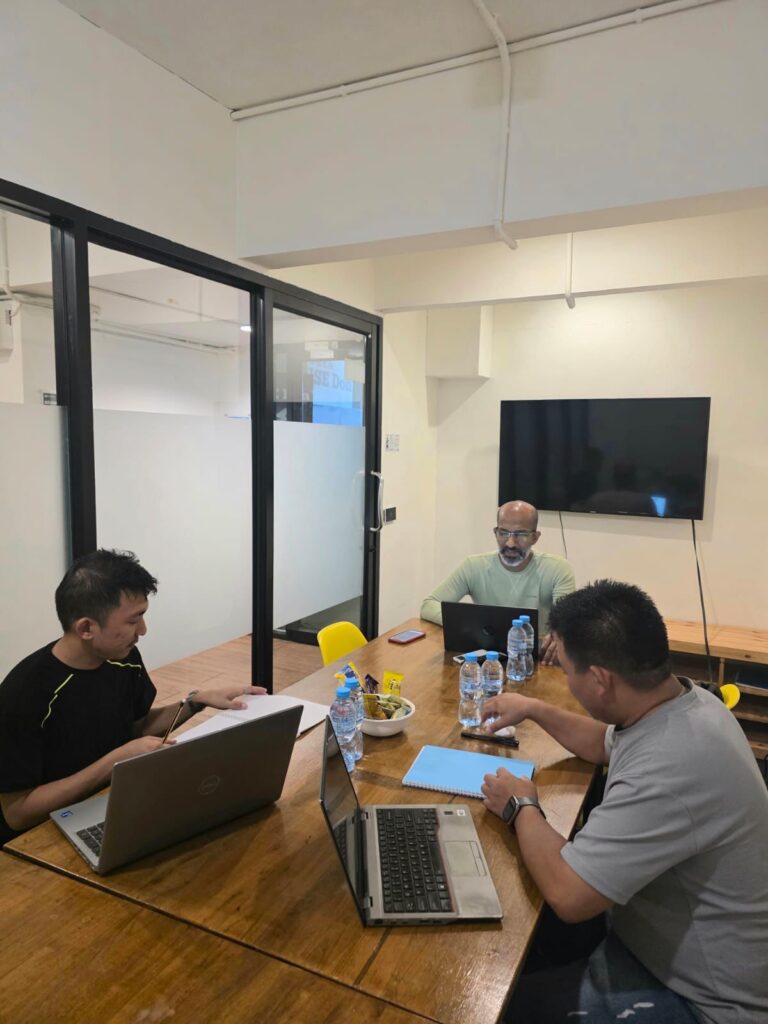
Modern tech projects move quickly. Without clear processes and strong leadership, delivery can slip. This programme gave Tashi InfoComm’s teams the tools to stay on track and adapt to change. By working through real scenarios, participants learned how to:
- Balance stakeholder needs while maintaining momentum.
- Communicate effectively with clients and partners.
- Apply Agile methods to improve predictability and transparency.
- Use AI to enhance planning and risk management.
- Build dashboards that track performance and inform decisions.
- Lead under pressure and support team growth.
- Define quality gates that ensure consistent outcomes.
- Navigate organisational changes with minimal disruption.
Reflections from the Team
Participants noted that practising live cases helped to make theory tangible. They appreciated the focus on hands-on exercises and the chance to use familiar tools in new ways. The sessions on AI sparked ideas for automating routine reporting and improving resource planning. Many attendees left with a clear plan for applying what they learned to their current projects.
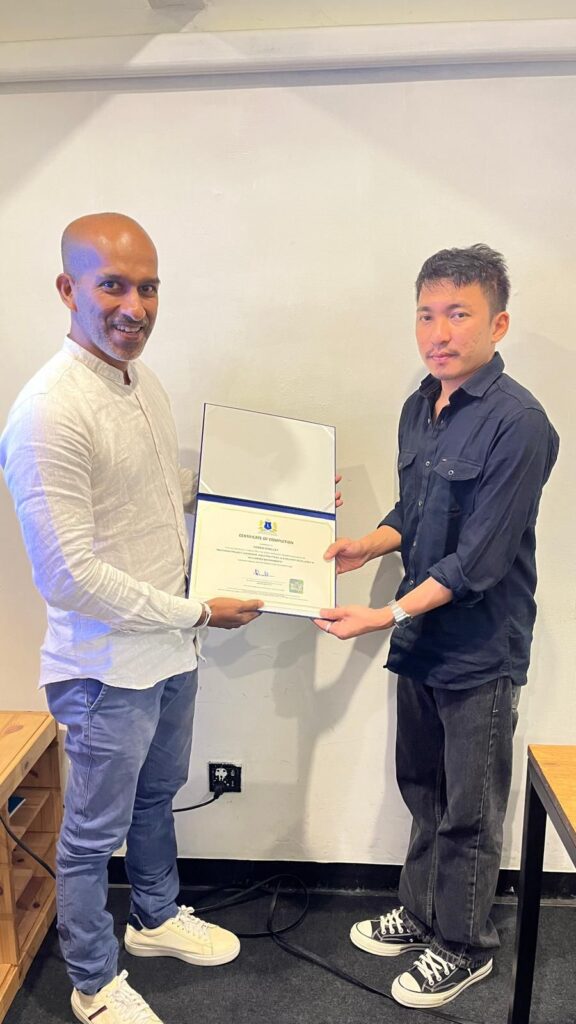
Appreciation and Next Steps
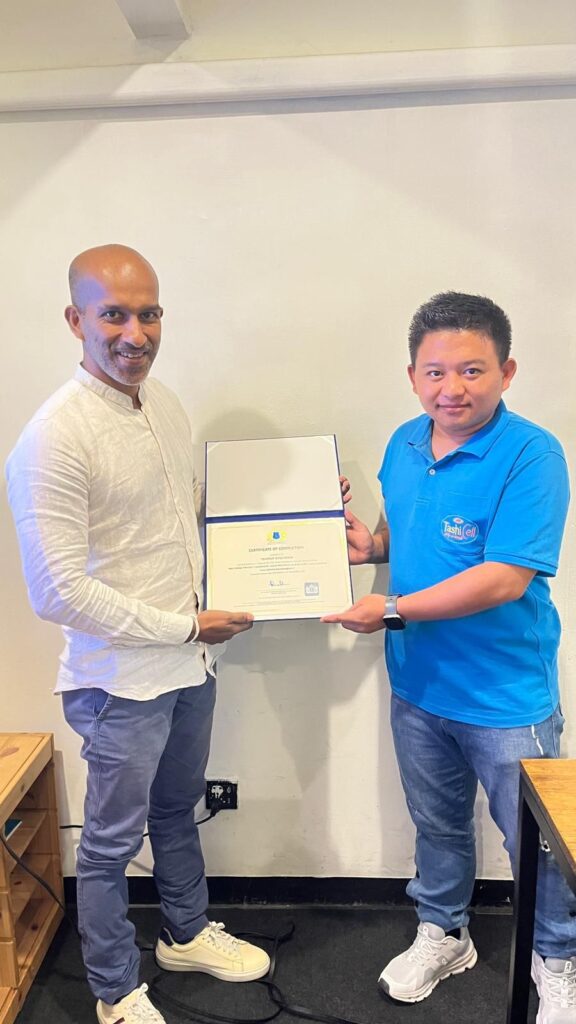
Thank you to the Tashi InfoComm team for your engagement and commitment throughout the programme. Your willingness to ask questions and apply new ideas made the sessions productive and enjoyable. The energy and curiosity you brought to each day created a collaborative environment where everyone learned from one another.
If your organisation wants to build stronger Agile delivery leaders and improve project outcomes, contact LIBT to discuss a customised training programme. Investing in structured learning equips your teams with the skills and confidence to deliver successful projects in a fast‑paced environment.





Leave a Reply
You must be logged in to post a comment.